- Tel: +8613911709825 /
- Email: ry@rays-casting.com /


-
Business PhilosophyCustomer Focus Customer Trust
-
ValuesResponsibility enterprise quality sustainability
-
Quality philosophyCraftsmanship creates excellent quality and defines the future



total knee replacement surgery physical therapy
Hip replacement surgery is a transformative procedure that restores mobility and alleviates pain for millions worldwide suffering from debilitating hip conditions. However, it is important to recognize that there are several different hip replacement procedures , each tailored to the patient’s specific anatomy, pathology, and lifestyle. The most widely performed is total hip replacement (THR) , where both the femoral head (ball) and the acetabulum (socket) are replaced with prosthetic components. This approach is indicated for advanced osteoarthritis, rheumatoid arthritis, avascular necrosis, and other degenerative diseases affecting the entire joint. THR provides comprehensive relief and improved joint function by recreating the natural ball-and-socket mechanics. In contrast, partial hip replacement , or hemiarthroplasty , replaces only the femoral head, leaving the acetabulum intact. This procedure is commonly utilized in elderly patients with displaced femoral neck fractures but minimal acetabular disease. It offers the advantage of a less invasive surgery with reduced operative time and quicker recovery, though it may not be suitable if the acetabulum is significantly damaged. Another option, particularly popular among younger, active patients, is hip resurfacing . Instead of removing the femoral head, this method caps it with a metal prosthesis, preserving more bone stock and potentially making future revision surgeries easier. The acetabulum is resurfaced or replaced with a matching component. Hip resurfacing maintains larger femoral heads which reduce dislocation risk and allow a more natural gait. Emerging surgical techniques also include minimally invasive approaches that reduce muscle damage and speed up recovery, as well as computer-navigated and robotic-assisted surgeries which enhance precision in implant placement. Choosing the most suitable procedure involves evaluating patient age, activity demands, bone quality, joint anatomy, and disease severity. Collaborative decision-making between surgeon and patient ensures the best functional and long-term outcomes. Understanding Posterior Hip Dislocation: Risks and Prevention after Hip Replacement One of the most concerning complications following hip replacement surgery is posterior hip dislocation , where the artificial femoral head slips out of the socket backward. Though infrequent, this complication can be painful and destabilizing, often requiring urgent medical intervention. The posterior hip dislocation occurs more commonly after surgeries performed through the posterior approach, which involves incisions and soft tissue releases at the back of the hip. While this approach provides excellent visibility and access, it also temporarily compromises posterior stabilizers such as the short external rotators and capsule. Improper implant positioning plays a crucial role in dislocation risk. In particular, incorrect acetabular cup anteversion or inclination can create mechanical impingement or insufficient containment of the femoral head, facilitating dislocation during hip flexion or internal rotation. Patient factors also contribute. Noncompliance with hip precautions post-surgery, muscle weakness, and neuromuscular disorders increase vulnerability. High-impact activities or extreme ranges of motion early in recovery exacerbate the risk. Preventing posterior hip dislocation requires a multifaceted approach. Surgeons strive for optimal implant alignment, often employing computer navigation or robotic assistance. Soft tissue repair and careful handling during surgery restore posterior support. Postoperatively, patients undergo education on avoiding risky movements such as crossing legs or bending deeply. Rehabilitation focuses on strengthening hip muscles and improving proprioception to enhance joint stability. In cases where dislocation occurs, closed reduction under sedation is typically attempted first. Recurrent or irreducible dislocations may necessitate revision surgery or the use of dual-mobility implants designed to increase stability. Anatomy of Total Hip Replacement: Components and Surgical Considerations The success of total hip replacement (THR) hinges on precise replication of natural hip biomechanics, achieved through careful attention to the anatomy of total hip replacement . The prosthetic system includes three main components: the acetabular cup, the femoral stem, and the femoral head. The acetabular cup is implanted into the pelvis to replace the natural socket. Modern cups come in cemented or cementless varieties, often lined with polyethylene, ceramic, or metal inserts to minimize wear. The femoral stem is inserted into the hollow center of the femur, providing stable fixation. It is typically made of titanium or cobalt-chromium alloys for strength and biocompatibility. The femoral head, usually spherical, is attached to the stem and articulates with the acetabular liner. Surgeons must consider factors such as leg length restoration, offset (lateral distance of the femoral head from the stem), and version (rotational alignment) during implantation. Correct positioning prevents complications like leg length discrepancy, impingement, or dislocation. Emerging technologies such as 3D preoperative planning, patient-specific instrumentation, and robotic-assisted placement have markedly improved the accuracy of component positioning. These advances reduce intraoperative guesswork, help restore normal hip mechanics, and improve long-term implant survival. Additionally, bearing surfaces have evolved to highly cross-linked polyethylene or ceramic materials that reduce wear debris and osteolysis, extending implant lifespan. Understanding the anatomy of total hip replacement allows orthopedic teams to tailor implants and techniques to each patient, optimizing functional outcomes and quality of life. Hip replacement FAQs What are the different hip replacement procedures available? Main procedures include total hip replacement (replacing both ball and socket), partial hip replacement (replacing only the ball), and hip resurfacing (capping the femoral head). Selection depends on patient factors like age, activity, and joint damage. Why does posterior hip dislocation happen after hip replacement? It usually occurs due to improper implant positioning, especially incorrect acetabular cup anteversion or inclination, surgical approach-related soft tissue disruption, or patient noncompliance with movement precautions. How can posterior hip dislocation be prevented? Surgeons use precise surgical techniques, sometimes with navigation or robotics, repair soft tissues meticulously, and educate patients on hip precautions. Rehabilitation strengthens muscles to stabilize the joint. What components constitute the anatomy of total hip replacement? Components include the acetabular cup (socket), femoral stem implanted into the thigh bone, and femoral head that replaces the natural ball. Liners in the socket facilitate smooth movement. How have modern technologies improved hip replacement outcomes? Technologies like robotic-assisted surgery and 3D planning enhance implant placement accuracy, reducing dislocation and wear. Advanced bearing materials prolong implant lifespan and improve joint function.
-
9FIELD EXPERIENCE
-
10 +TECHNICAL TALENTS
-
-
-
100 %CUSTOMER SATISFACTION
-
100 +SATISFIED CUSTOMER
-
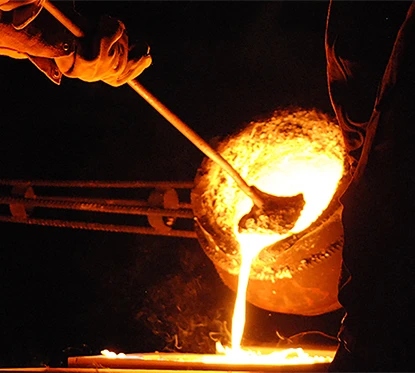
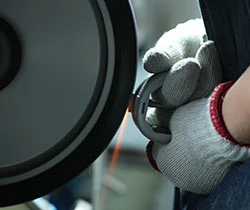
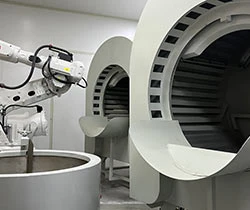
01Advanced Production Technology and EquipmentUse high-performance casting equipment and furnaces, such as vacuum induction melting, investment casting and other technologies, to ensure melting precision and casting quality.
-
02Professional Technical Support ServicesWith a professional technical team and complete technical support services, we can provide customers with satisfactory products and customized processing services.
-
03Strict Production Management NormsEstablish a sound quality management system, formulate perfect production operation procedures, implement strict production process control and product quality inspection, in order to achieve the goal of high-quality casting.
Quick Response And Adequate Technical Support
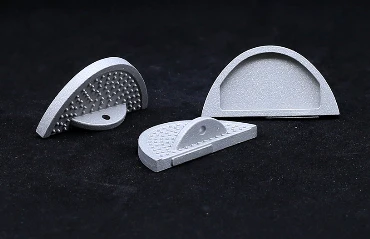
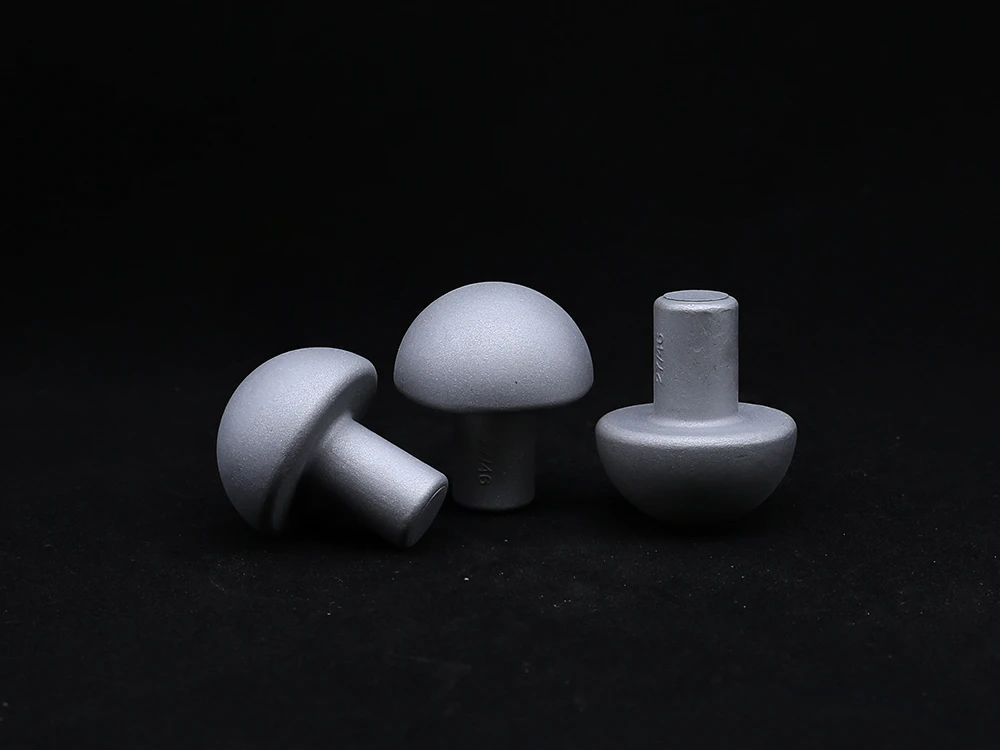
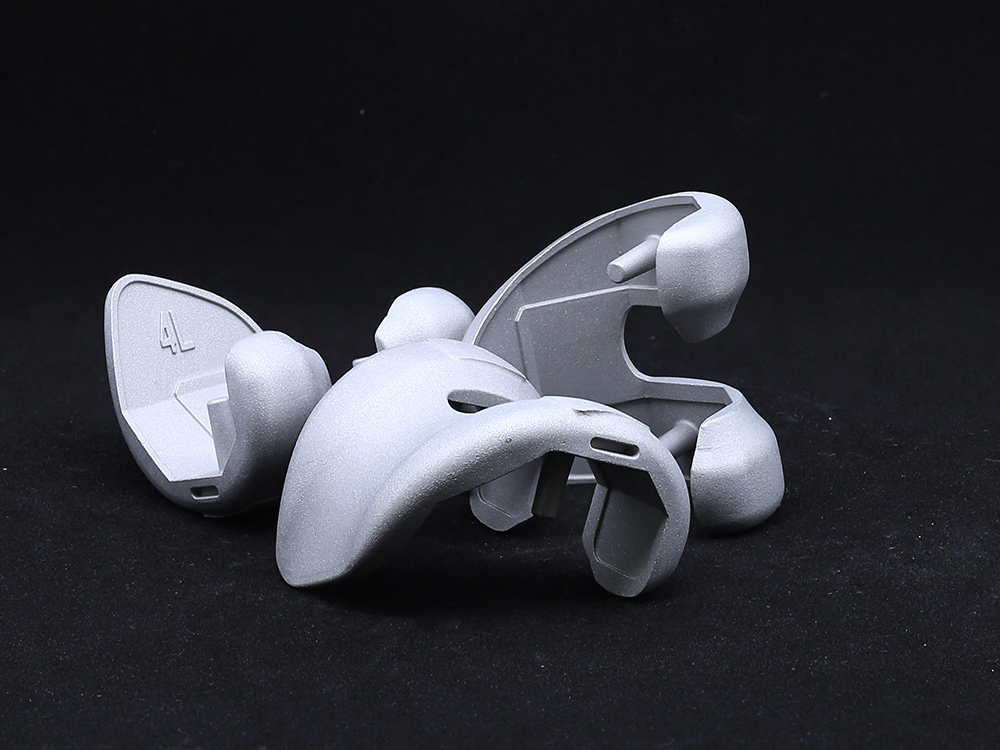
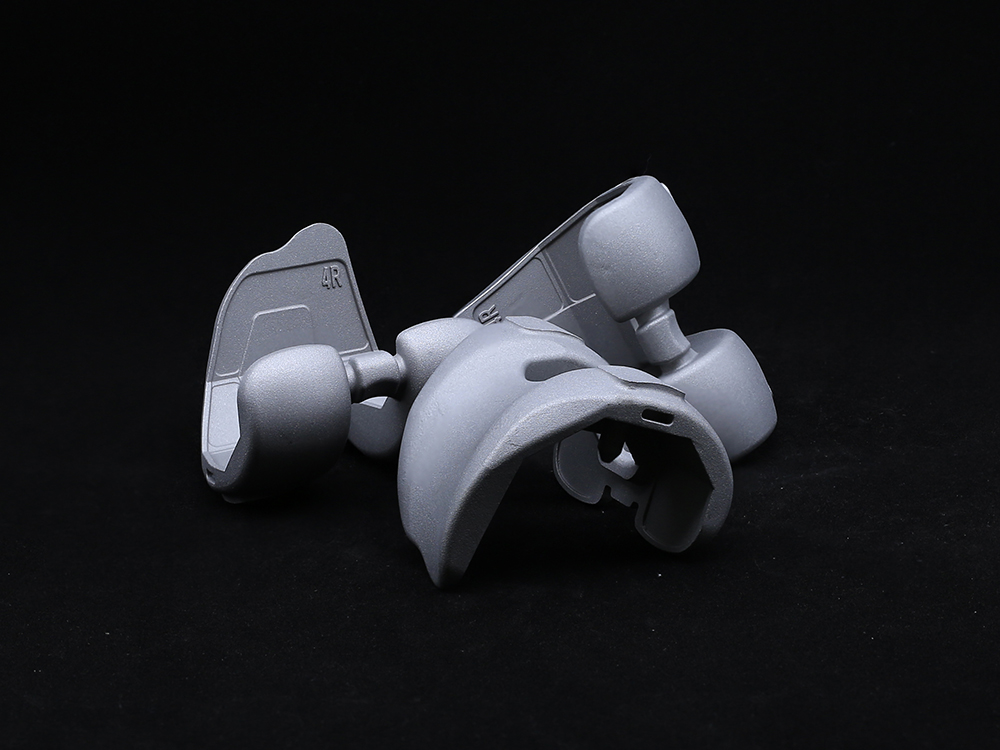
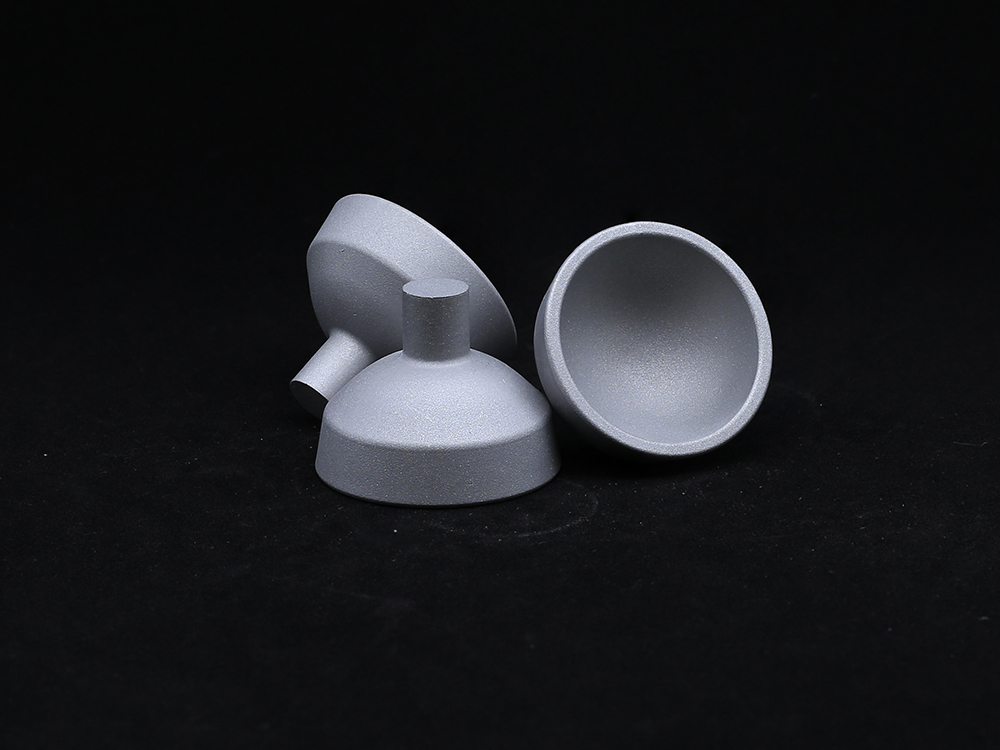
Visit Hebei Ruiyi Yuan Tong Technology Co., Ltd. — a professional manufacturer specializing in high-quality joint replacement components including femoral condyles, acetabular cups, tibial plates, and more.

china
Türkiye
India
Russia
Germany
USA
Switzerland
Argentina
NEWS
-
2026-04-04 21:552026-04-04 21:55A Successful Showcase at Vreden Readings 2025!Ruiyi concluded a highly successful participation at Vreden Readings 2025, held from 2025.8.21 to 20>
-
2026-04-04 21:002026-04-04 21:00Acetabular Cup-Hebei RuiYiYuanTong Technology Co., Ltd._Durable Hip Joint Solution&BiocompatibleAcetabular Cup is a revolutionary medical device designed to restore mobility and quality of life fo>

-
2026-04-04 19:442026-04-04 19:44Half Knee Support Brace_ Pain Relief, Stability, RecoveryNavigating Excellence: Top Half Knee Manufacturers from China at the 135th Canton Fair Unlocking Glo>
Get a Custom Solution!
Contact Us To Provide You With More Professional Services


